
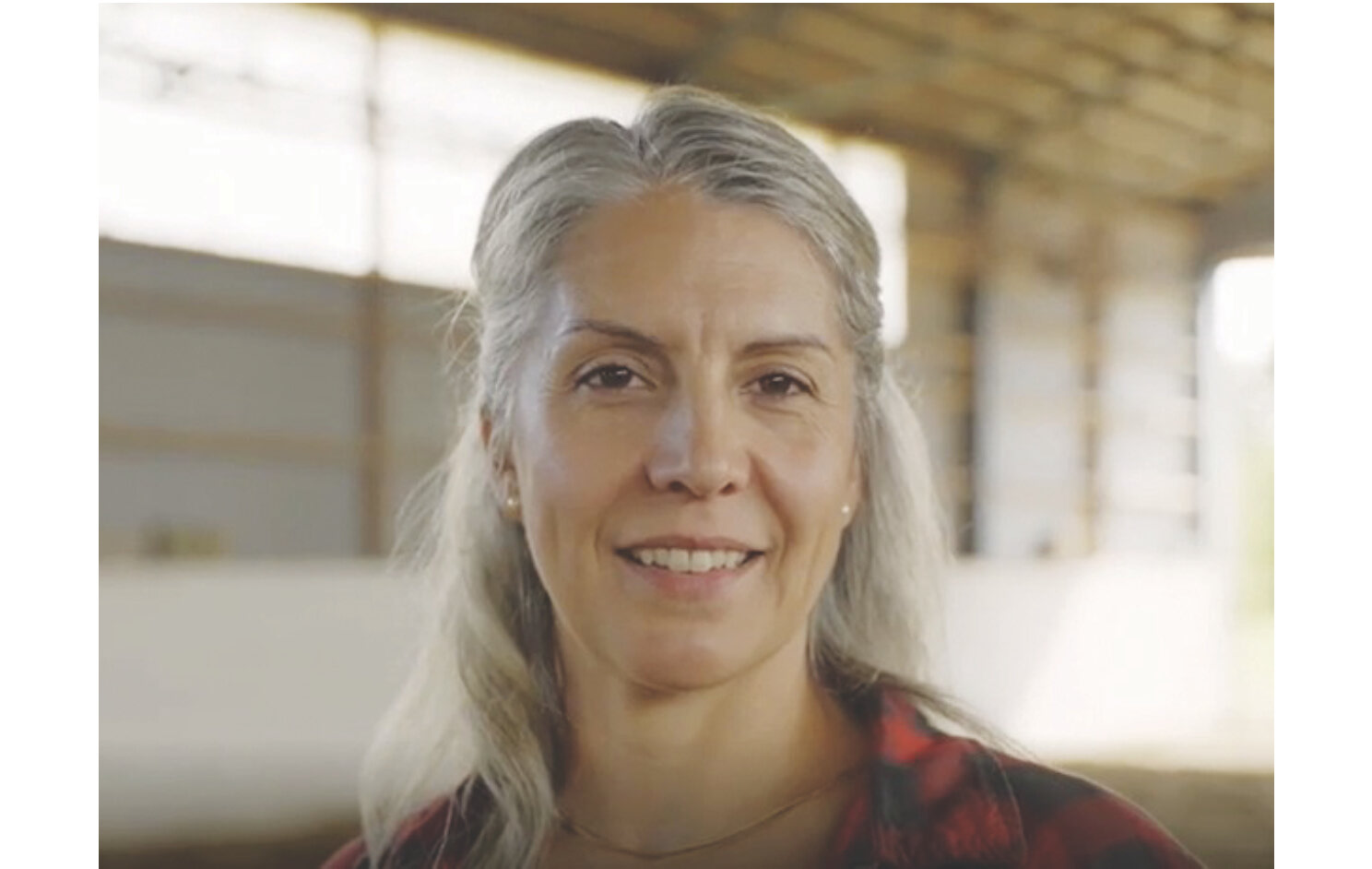
Stéphanie Fecteau of the University of Quebec in Outaouais is featured in a new documentary series, A Day in the Life of a Teacher (Journée de prof), examining the daily work and systemic pressures facing university professors across Quebec. Photo: Courtesy
Stéphanie Fecteau spotlighted in Quebec professor documentary
Tashi Farmilo
Stéphanie Fecteau, a professor at the University of Quebec in Outaouais, is featured in a documentary series released February 16 that examines the daily work of university professors across Quebec and the pressures shaping the profession. The 15-part series, A Day in the Life of a Teacher (Journée de prof), was produced by Savoir média in partnership with the Quebec Federation of University Professors and is available online and on television at https://savoir.media/details/387249-journee-de-prof.
The series follows faculty members through teaching, research, student supervision and committee work. It also addresses structural pressures in Quebec universities, including heavy workloads, administrative demands and competition for research funding.
Fecteau said she was drawn to the project because of its stated aim to clarify what professors actually do. “The intention to demystify the profession of professor sparked my interest,” she said. “I wanted to show the reality behind publications and funding applications.”
She described the role as extending well beyond research output. “The academic career goes far beyond research,” she said, noting that her work includes student supervision, project management and service on committees, including one focused on women’s status. “The professoriate is, at its core, relational and engaged work.”
At the University of Quebec in Outaouais, Fecteau leads a research program on stress and well-being, with a focus on improving the quality of life of autistic people. Her work examines chronic stress and social camouflaging and explores interventions such as therapeutic horseback riding, developed in collaboration with participants.
“My role is at once scientific, pedagogical and social,” she said. “It is scientific, through the development of a research program on stress and well-being; pedagogical, through supervising students and training future professionals in psychoeducation and psychology; social, through engagement in bodies that promote equity.”
The series also highlights the impact of institutional pressures. “It is true that our working conditions influence our capacity to innovate,” Fecteau said. “However, funding applications are opportunities to innovate and to connect knowledge in order to fill a gap.”
Despite performance expectations, expanding responsibilities and what she described as a fragile balance between work and personal life, she said the university remains a place of intellectual freedom.
“Despite the issues related to funding, performance requirements and the multiplication of responsibilities, the university environment offers us opportunities for great freedom and creativity,” she said.