
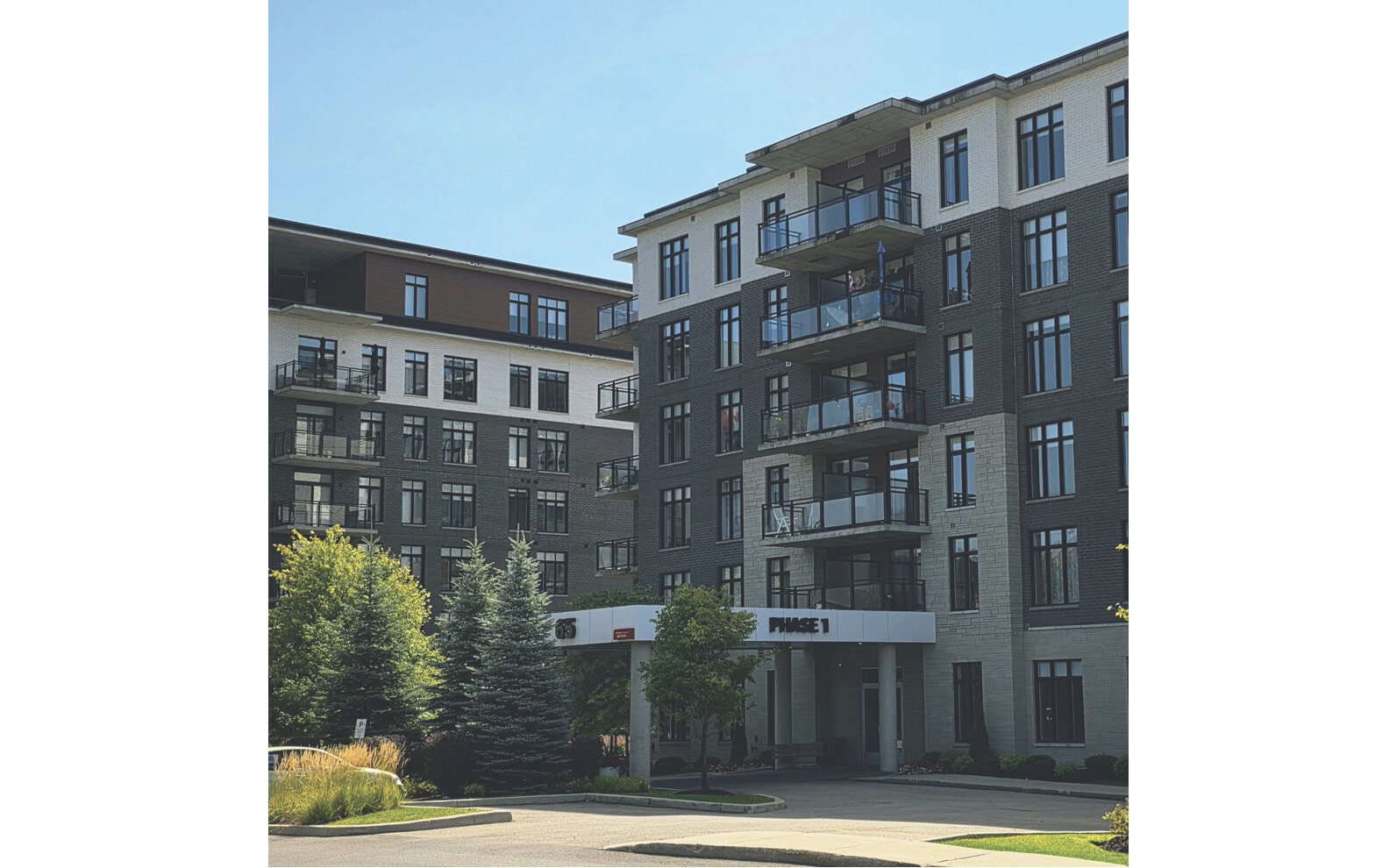
Outaouais tenants pay among the highest rents in Quebec and report more trouble covering them than most of the province, a new Léger study finds, as Vivre en Ville argues that a mandatory public rent registry is needed to protect the region's remaining affordable housing. Photo: Tashi Farmilo
Outaouais rents among highest in Quebec as many tenants struggle with cost
Tashi Farmilo
Rents in the Outaouais are among the highest in Quebec, and a growing share of tenants are struggling to pay them, according to a Léger study released September 2 by the non-profit Vivre en Ville, which is using the findings to call for a mandatory public rent registry to protect what remains of the province's affordable housing.
Léger surveyed 5,504 Quebec tenants online from June 3 to 24. Among 164 Outaouais respondents, average monthly rent was $1,258.71, about $89 above the provincial average of $1,169.50. Only the Laurentides and Laval were higher.
Some 26 per cent of Outaouais tenants said they had trouble paying rent in the past year, whether by paying late or borrowing from relatives or a bank, compared with 21 per cent across Quebec. For 18 per cent, it happened more than once, against 13 per cent provincewide.
The region's numbers reflect a broader slide. Average rent in Quebec has risen $243 a month since 2023, nearly $3,000 a year, and the share of units renting for $1,100 or less has fallen from 75 per cent to 56 per cent. Vivre en Ville estimates that more than 300,000 such units have disappeared from the market.
"Let's be clear: these cheaper units simply no longer exist on the market," said Alana La Rosa-Dancoste, who coordinates housing and planning at Vivre en Ville and heads its rent registry project.
The Gatineau area has its own evidence of the squeeze. In a survey released in December 2025, the Canada Mortgage and Housing Corporation reported that the area's vacancy rate had risen to 3.8 per cent, but that the extra room was mostly in new, expensive apartments while cheaper units were still hard to find. A national update from the agency on June 9 pointed to the same divide across the country. Newer, pricier buildings are sitting emptier and cutting their asking rents, while low-rent apartments remain in short supply and their tenants rarely move.
Staying put offers little protection. Tenants who remain in their homes face increases averaging $151 over the course of their tenancy, up 127 per cent from 2023. For those who move, the gap between the old rent and the new one is four times greater than it was in 2023.
Quebec law includes a safeguard for tenants who sign a new lease. Clause G of the standard lease form requires landlords to state the lowest rent paid for the unit in the previous 12 months, which lets a new tenant challenge a higher rent before the Tribunal administratif du logement, the province's rental board. Bill 31, adopted in February 2024, added a penalty: tenants can seek punitive damages if a landlord knowingly leaves the amount out or gets it wrong.
Vivre en Ville says the measure is not working. Nearly 80 per cent of tenants are still unaware of the amount stated in their lease, and the organization says compliance has not changed since 2023. Léger's report breaks the figure down: 34 per cent of tenants said their landlord had not filled in the clause, and another 45 per cent did not know whether it had been filled in. Both results are unchanged from last year.
Vivre en Ville wants the province to adopt a mandatory, public registry of rents. Its own registry holds more than 95,000 entries, and Léger found that 82 per cent of tenants would share their rent data. "Tightening the G clause hasn't worked, as we saw with Bill 31," said Vanessa Normand, co-executive director of Vivre en Ville. "It's time to adopt the Rent Registry and save existing affordable housing units."