
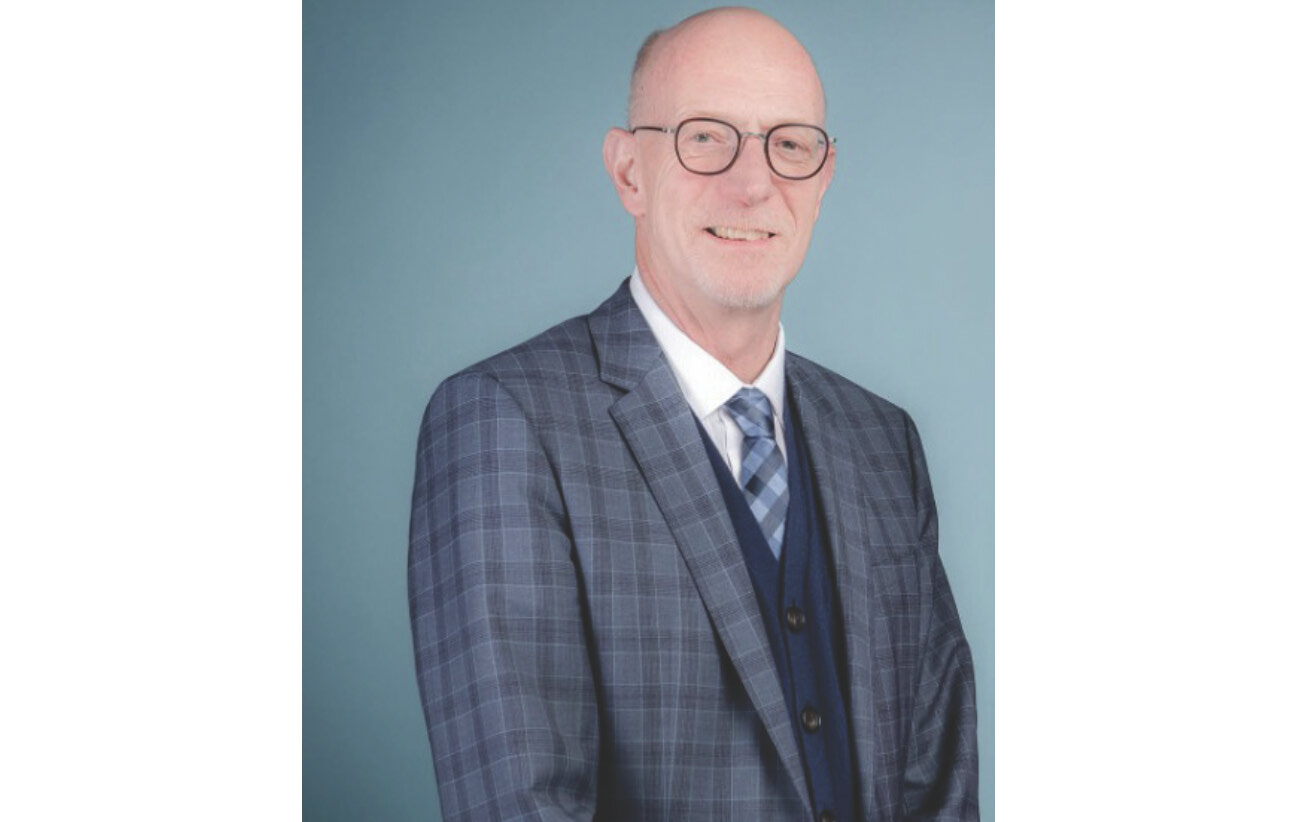
Concordia University president Graham Carr has been named chair of the board overseeing the Canadian Museum of History and the Canadian War Museum. Photo: Courtesy of Concordia University's Facebook page
Graham Carr takes the helm of museum board as federal cuts reshape institutions
Tashi Farmilo
Graham Carr, president and vice-chancellor of Concordia University, has been named chair of the board of trustees of the Canadian Museum of History, the federal Crown corporation that runs two national museums: the Canadian Museum of History in Gatineau and the Canadian War Museum in Ottawa. Marc Miller, Minister of Canadian Identity and Culture and Minister responsible for Official Languages, announced the four-year appointment on October 2. Carr succeeds Carole Beaulieu, whose term has ended, and arrives as the corporation shrinks its workforce and budget under federal spending cuts.
The reductions stem from the spending review announced in Budget 2025. According to the corporation's plan summary, tabled in the House of Commons on June 18, the review cuts its operating budget by $2.4 million in the 2026-27 fiscal year, $4.3 million in 2027-28 and $5.9 million annually from 2028-29 onward. The document also cites a structural deficit and says the corporation made major organizational changes during 2025-26, including workforce reductions.
In January, the corporation confirmed to CTV News Ottawa that 67 permanent positions would be eliminated across both museums over three years, reducing the workforce from 371 to 304.
The figures released did not specify how the losses would be divided between the Gatineau and Ottawa sites. The corporation also said at the time that front-line staffing had not been reduced. Ruth Lau MacDonald, regional executive vice-president for the National Capital Region at the Public Service Alliance of Canada, warned that visitors would feel the effects and told CBC she feared the cuts could hamper the Museum of History's work returning Indigenous cultural belongings to their communities.
The corporation's most recent financial statements show spending has dropped. According to its unaudited results for April to June, operating expenses for both museums fell to $26.6 million from $29.5 million a year earlier, mainly because of lower personnel and professional services costs. The corporation reported a $0.8 million surplus for the quarter, after a $3.4 million deficit in the same period last year.
The corporation also says its two aging buildings are a growing financial burden. It receives $2.5 million a year in base capital funding but estimates it needs at least $12.5 million annually to maintain the Gatineau and Ottawa sites along with their IT and security systems, and it has identified more than $179 million in priority capital projects. The federal government renewed an additional $2.3 million for the current fiscal year, and the corporation says it is working with the Department of Canadian Heritage on a longer-term solution.
As chair, Carr leads the body ultimately responsible for responding to those pressures. The board sets the direction of both museums and approves major financial decisions. It also appoints the chief executive, with the approval of the federal cabinet, and evaluates that person's performance. Trustees oversee risk and answer for the corporation's financial sustainability and workplace.
In September 2025, the board, then chaired by Beaulieu, decided with museum management to concentrate on three of the corporation's five strategic priorities: engaging people across the country with a wide range of histories and stories, advancing reconciliation and the recognition of Indigenous rights, and using technology to innovate and widen public access to the museums. The two others, building an inclusive and innovative workplace culture and strengthening the organization's long-term resilience through sustainable practices, were folded into an internal management plan. The current strategic cycle ends in March 2028, so the next one will be developed during Carr's term.
The corporation is also establishing an independent foundation to raise private money, cultivate donors and build partnerships, with the aim of supporting conservation, building upgrades and research. Fundraising is among the skills the board's profile lists for its members, and the museums' announcement credits Carr with completing the largest fundraising drive in Concordia's history.
A Quebec-born historian whose research focuses on cultural diplomacy and the Cold War era, Carr earned his doctorate at the University of Maine and joined Concordia's history department in 1983. He later served as dean of graduate studies, vice-president of research and provost before becoming president in 2019. He also spent many years on the National Capital Commission's advisory committee for communications, marketing and programming.
Beaulieu, of Toronto, was appointed in May 2021 to a four-year term and remained chair for more than five years. She previously chaired the board of Groupe Média TFO, the Ontario educational broadcaster, from 2015 to 2021.
In announcing the appointment, Caroline Dromaguet, president and CEO of both museums, said Carr's background leading institutions, overseeing boards and working with communities would serve the trustees well. Carr called the appointment an honour and said he was eager to work with the board and museum staff to protect the country's heritage.